
Our Blog
-
February 24, 2026
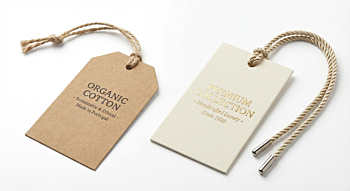
A customer pulls your shirt off the rack. Before they check the fabric, before they read the price, they're holding your hang tag. That small rectangle of cardstock is the first physical conversation between your brand and a potential buyer — and most brands barely think about it.
We've produced hang tags for thousands of clothing brands since 2008, from garage startups ordering 50 tags to established labels running tens of thousands per season. The difference between a tag that gets ripped off and tossed versus one that makes someone pause and pay attention usually comes down to a handful of design decisions. Here's what we've learned.
Why Hang Tags Still Matter in 2026
There's a temptation to think hang tags are outdated — relics of pre-digital retail. But the opposite is true. As more shopping moves online, the unboxing moment has become a brand's best opportunity
-
 February 17, 2026
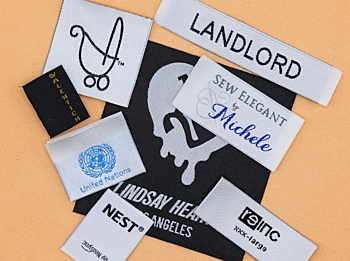
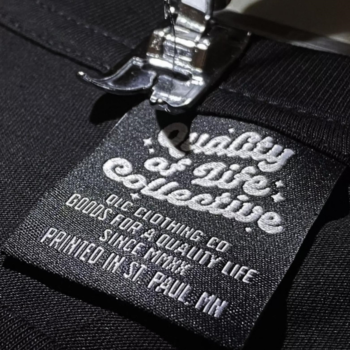
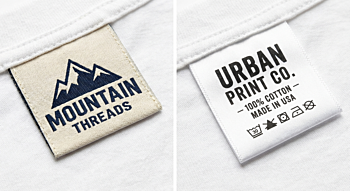
A new brand owner called us last week with a familiar dilemma. She had her logo finalized, her first production run of cotton tees ready to ship, and absolutely no idea whether she needed woven labels or printed labels. "They both go inside a shirt, right? What's the actual difference?" she asked. It's a question we've heard thousands of times since we started Quality Woven Labels back in 2008, and the answer matters more than most people realize.
Choosing between woven labels and printed labels affects how your brand looks, how your garment feels against skin, how long your label holds up through wash cycles, and what you'll spend per piece. This guide breaks down everything you need to know so you can make the right call for your specific product.
What Are Woven Labels, Exactly?
-
February 09, 2026
When building a product based brand, every detail tells a story. From the materials you source to the packaging you choose, customers notice far more than many business owners realize. One of the most overlooked yet powerful branding elements is the label sewn into your product. Choosing woven labels made in the USA is not just a manufacturing decision. It is a statement about quality, values, and long term brand positioning.
For apparel companies, handmade product sellers, and growing ecommerce brands, woven labels play a crucial role in how customers perceive your products. In a competitive market, small details often make the biggest difference.
First Impressions Start with the Label
Before a customer even wears or uses your product, they interact with the label. They touch it, read it, and form an
-
January 17, 2026
When it comes to branding apparel, accessories, or handmade products, labels play a much bigger role than many businesses realize. A label is often the first branded element a customer sees up close. It communicates quality, attention to detail, and how serious a brand is about presentation. Two of the most common labeling options are the woven tag and the printed tag. While both serve the same basic purpose, they offer very different benefits, costs, and visual effects.
Understanding the differences between a woven tag and a printed tag can help you choose the option that best fits your product, your brand image, and your long term goals.
What Is a Woven Tag
A woven label is created by weaving threads
-
November 25, 2025
When it comes to children’s clothing, first impressions matter. Parents want to buy outfits that feel special, last through play and wash cycles, and look like they came from a trusted brand. For small businesses who create handmade or boutique clothing, the challenge is proving that their products meet these expectations. One of the most effective ways to do this is through woven labels. These small additions carry significant weight by lending credibility, professionalism, and a brand identity that customers remember.
Why Woven Labels Are Crucial for Small Businesses
Woven labels have long been used by established fashion houses, but today they are just as important for small businesses producing children’s clothing in limited batches. They create a finished look that tells customers the item is not just handmade, but thoughtfully branded.
-
November 18, 2025
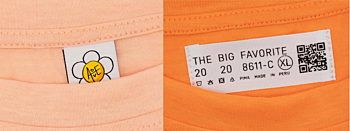
When most people think about clothing design, their minds go to the fabric, cut, and overall aesthetic of a piece. But one element often overlooked in the fashion world is just as vital to a brand’s identity and customer experience: garment tags and labels. These small details carry a significant impact on how a product is perceived, used, and even remembered by consumers. From branding and compliance to comfort and sustainability, the role of tags and labels goes far beyond a simple piece of fabric sewn into a seam.
The Function Behind the Design
At the most basic level, garment tags and labels serve a functional purpose. They provide essential information about the garment, including size, fabric composition, and care instructions. Without this information, customers might wash or care for their clothing incorrectly, resulting in shrinkage,
-
September 12, 2025
When it comes to product presentation, durability is often as important as design. A label is not just a decorative element. It communicates your brand identity, provides important product information, and helps set your items apart in a competitive marketplace.
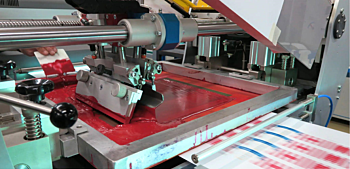
While there are many labeling options available today, screen printed labels have earned a reputation for being among the most resilient and dependable. Businesses in industries ranging from apparel to outdoor equipment rely on them because they can withstand the test of time and maintain their bold, professional appearance.
What Are Screen Printed Labels?
Screen printed labels are made using a traditional printing technique known as screen printing. This method involves pushing ink through a mesh stencil (or screen) directly
-
August 26, 2025
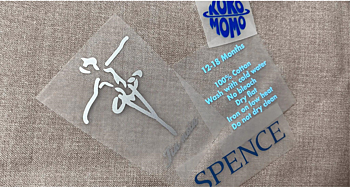
We know that the right label can make a big difference in how customers see your brand. A well-designed label not only identifies your product but also communicates your style, quality, and attention to detail. Our heat transfer labels make it incredibly simple to add professional, tagless branding to your garments without the hassle of sewing or dealing with itchy tags.
Whether you are customizing a few shirts at home or preparing an entire production run, our process is fast, user-friendly, and designed to give your apparel a clean, high-end look.
What Makes Heat Transfer Labels So Convenient
Heat transfer labels are an easy and effective way to brand your garments without traditional stitched tags. Instead of sewing a fabric tag into the neckline or seam, you simply apply the label
-
November 05, 2024
When creating custom products, the quality of the artwork file is key to producing a stunning final result. Whether it's screen-printed labels, cotton labels, custom pins, or heat transfers, using the right file format—vector or raster—can greatly impact the clarity, scalability, and detail of the finished piece. Let’s break down the differences between these two formats and why understanding them is essential for custom product orders.
What is the Difference Between Raster and Vector Graphics?
Vector Graphics
Vector graphics are made up of points, lines, and shapes defined by mathematical equations, rather than pixels. This structure allows them to be scaled up or down without losing clarity,
-
September 12, 2024
September marks International Sewing Month, a time to honor the timeless craft that brings creativity, practicality, and innovation to life through fabric and thread. Whether you're a designer, a brand, or an individual with a passion for sewing, this month is a celebration of the endless possibilities that come with custom products. From custom labels that add a unique touch to your creations to custom branding that sets your work apart, sewing is at the heart of personalization and quality. In today’s world, custom solutions are more than just details—they are the very essence of making products truly your own. Let's dive into how sewing, paired with custom products and custom branding, continues to shape industries and inspire creators around the globe.
Enhanced Brand Identity through Custom Labels