
Gillian Wachtel
-
February 24, 2026
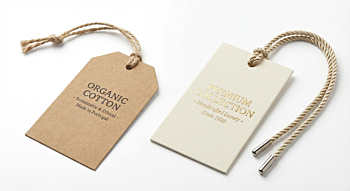
A customer pulls your shirt off the rack. Before they check the fabric, before they read the price, they're holding your hang tag. That small rectangle of cardstock is the first physical conversation between your brand and a potential buyer — and most brands barely think about it.
We've produced hang tags for thousands of clothing brands since 2008, from garage startups ordering 50 tags to established labels running tens of thousands per season. The difference between a tag that gets ripped off and tossed versus one that makes someone pause and pay attention usually comes down to a handful of design decisions. Here's what we've learned.
Why Hang Tags Still Matter in 2026
There's a temptation to think hang tags are outdated — relics of pre-digital retail. But the opposite is true. As more shopping moves online, the unboxing moment has become a brand's best opportunity
-
 February 17, 2026
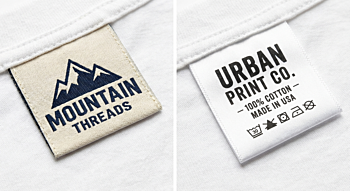
A new brand owner called us last week with a familiar dilemma. She had her logo finalized, her first production run of cotton tees ready to ship, and absolutely no idea whether she needed woven labels or printed labels. "They both go inside a shirt, right? What's the actual difference?" she asked. It's a question we've heard thousands of times since we started Quality Woven Labels back in 2008, and the answer matters more than most people realize.
Choosing between woven labels and printed labels affects how your brand looks, how your garment feels against skin, how long your label holds up through wash cycles, and what you'll spend per piece. This guide breaks down everything you need to know so you can make the right call for your specific product.
What Are Woven Labels, Exactly?